Choosing a KDP Diary Interior for Your Publishing Goals
For many, the idea of self-publishing a book on Amazon Kindle Direct Publishing (KDP) begins with a spark of creativity—a desire to share a unique concept or to build a business around low and no-content books. A diary book interior is one of the most popular starting points. It represents more than just blank pages; it’s the foundational template that defines the look, feel, and functionality of the finished product.
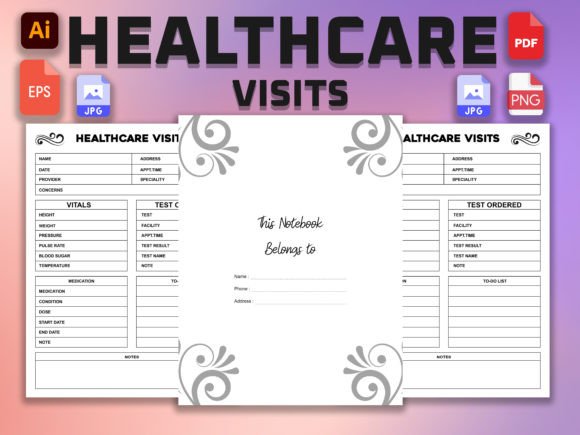
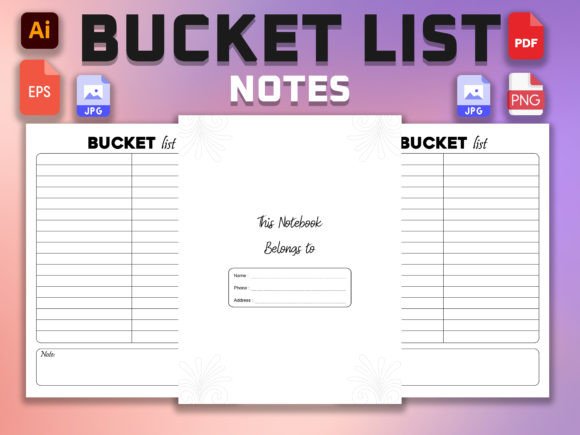
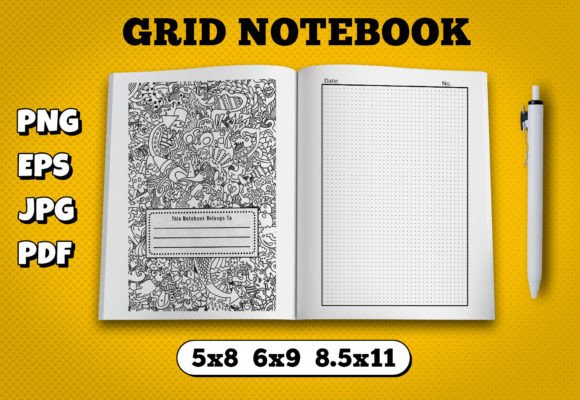
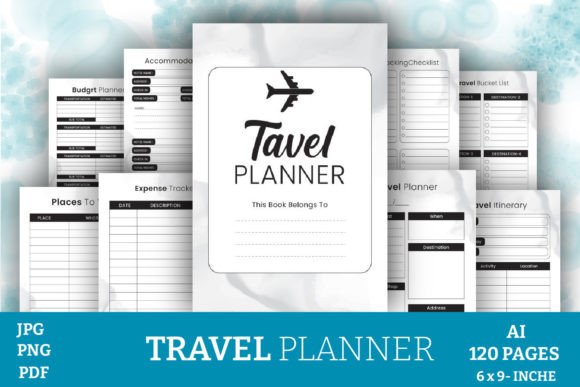
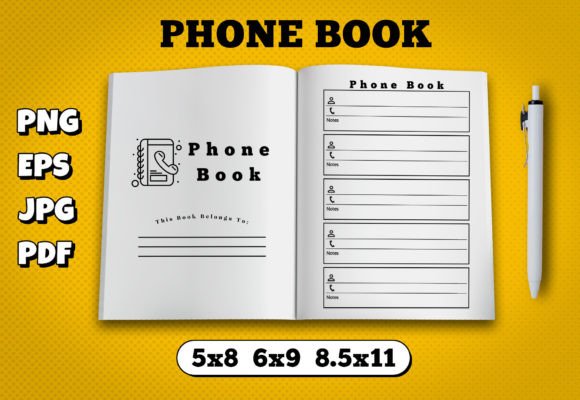
A Diary Book KDP Interior is a pre-designed, editable digital template. It provides the page layout, structure, and formatting specifically for a diary-style book, ready to be uploaded to the KDP platform. The core value lies in its readiness. Instead of designing pages from scratch, which requires specific software and design skills, you work with a prepared manuscript. This particular example offers multiple file formats like JPG, PNG, EPS, and PDF in standard sizes like 5x8, 6x9, and 8.5x11, all without bleed, meaning the files are prepared for simple, standard book interiors. The final PDF is configured for direct upload to Amazon KDP.
Why a Pre-Designed Interior Matters to Different Creators
The appeal of such a template varies significantly depending on who is using it and what they hope to achieve. For a beginner venturing into self-publishing for the first time, the primary priority is often ease of use and speed. The complexity of page margins, font consistency, and proper PDF export can be daunting. A ready-to-use interior eliminates those technical hurdles, allowing the newcomer to focus on the broader aspects of publishing, like cover design and marketing. It provides a confidence-building start, ensuring the interior meets Amazon’s basic formatting requirements.
An experienced publisher or a small business owner running a KDP operation might evaluate the same template differently. Their focus shifts to commercial value and reliability. They need a product that looks professional to compete in the marketplace, but also one that is efficient. Using a trusted interior template for multiple diary projects saves considerable time, increasing output and potential revenue. The availability of files in EPS or PNG formats might be particularly valuable for them, allowing minor customizations in professional design software if needed, without restarting from zero.
Flexibility Beyond Publishing
One of the understated benefits of a digital diary interior is its flexibility. The description mentions you can use the manuscript “for other things like writing in, printing and much more.” This opens up applications beyond Amazon KDP. A hobbyist or consumer might purchase the template not to publish, but to print and bind a personal diary for themselves or as a gift. An educator could adapt the pages for a classroom journaling project. A freelancer or blogger might use the structured pages as a content-planning tool. Here, the priority is personal utility and creativity, not commercial publication. The black-and-white, clean design serves as a versatile canvas.
Aligning the Template with Your Specific Needs
To determine if this kind of Diary Book KDP Interior is right for you, consider your primary goal and your comfort level with digital tools.
If your aim is to quickly launch a professional-looking diary on Amazon KDP to grow your business, the ready-to-upload PDF is likely your most critical component. You would want to verify that the page sizes offered match your intended print book dimensions and that the layout aesthetics align with your target audience—perhaps a simple, elegant design for a gratitude journal or a more structured page for a productivity tracker.
For creators and marketers who value long-term usefulness, the bundle of multiple file formats (JPG, PNG, EPS, PDF) in a ZIP folder is a strong advantage. This variety means the same core design can be repurposed. You might use the PNGs for social media previews, the PDF for printing physical samples, or the EPS file to integrate elements into a larger composite work. This flexibility supports iterative creativity and brand consistency across projects.
Conversely, if you are a consumer or hobbyist looking purely for a beautiful diary to print and use at home, your evaluation centers on visual quality and printability. The “without bleed” specification is important here, as it indicates the files are suited for standard home or office printers where the full page margin will be visible. You’d be assessing the design’s appeal on its own merit.
Practical Examples for Common Reader Types
Imagine a professional life coach wanting to publish a companion “weekly reflection diary” for their clients. They need a credible, clean presentation that reflects their brand. Using this template, they could quickly produce a physical product to sell alongside their services, valuing both speed and professional presentation.
A novelist using journaling techniques for character development might purchase the same interior as a personal tool. They wouldn’t publish it; instead, they’d print the 6x9 PDF and use it as a bound notebook to hand-write character notes, prioritizing the tactile experience and organized space the template provides.
An entrepreneur building a side business on KDP with multiple low-content books would look at this as a scalable asset. After successfully publishing one diary, they could visit the shop for more related interiors—journals, planners, trackers—to expand their catalog efficiently, focusing on the commercial value of a consistent, reusable resource.
Ultimately, the decision rests on matching the template’s offerings to your own priorities. Whether those priorities are learning the publishing process, saving time, ensuring quality, enabling creative reuse, or simply obtaining a functional digital product for personal use, a well-designed Diary Book KDP Interior can be a practical solution. It removes the barrier of empty design software and provides a structured starting point, from which your unique content and purpose can grow.