The Essential Guide to Using a Mental Health Care Logbook
A Mental Health Care Logbook is more than just a notebook; it's a structured companion for navigating your emotional well-being. Many people seek out journals and planners for mental health, but a purpose-built logbook offers a dedicated framework for tracking mood, thoughts, triggers, and progress. It transforms vague feelings into concrete data, empowering you to understand patterns and communicate more effectively with healthcare professionals. Whether you're managing anxiety, depression, or simply aiming for greater self-awareness, this tool can be a cornerstone of your care routine.
Common Missteps When Choosing a Mental Health Logbook
Selecting the right logbook is crucial, yet many rush the decision based on surface appeal. A common oversight is prioritizing aesthetics over functionality. A beautiful cover is inviting, but if the interior pages lack the sections you need—like dedicated space for post-therapy notes or a medication tracker—you'll end up with a pretty book that doesn't serve its purpose. Another frequent mistake is assuming all journals are the same. A generic daily diary won't prompt you to analyze weekly trends or identify specific triggers, which are core benefits of a specialized mental health care logbook.
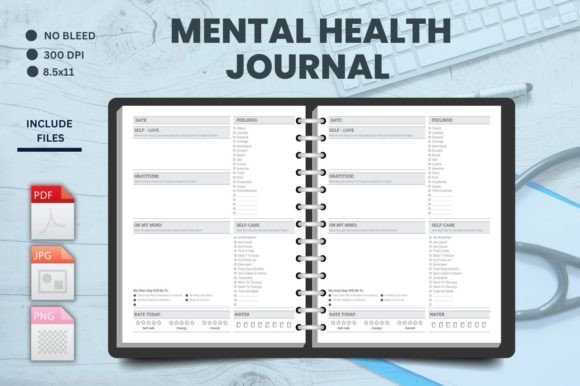
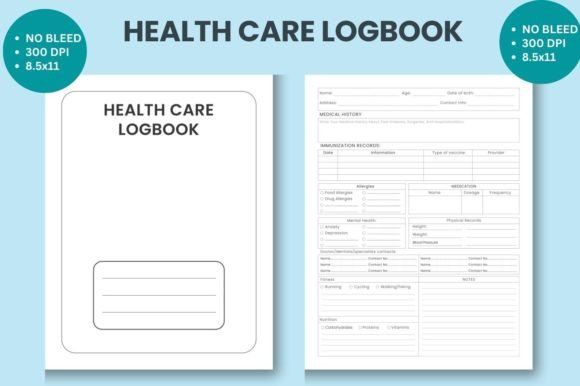
For creators publishing on platforms like Amazon KDP, a critical error is neglecting technical specifications. Using a file that isn't print-ready, has low resolution, or incorrect sizing leads to a physical product that feels unprofessional. Customers receive a book with blurry text or awkward margins, which undermines the trust and care the content intends to foster. Always verify that the interior file, like the included PDF in this package, is truly 300 DPI, sized at 8.5" x 11" with no bleed, and thoroughly tested for KDP. This ensures the final printed logbook is as supportive in form as it is in function.
Focusing Solely on Daily Entries Without Review
One of the most practical features of a comprehensive mental health planner journal is the inclusion of a weekly review section. Many users diligently fill in their daily logs but then skip the review. This is like collecting data but never analyzing it. The daily journal captures the raw emotion, while the weekly review helps you spot cyclical patterns, recognize small victories, and adjust coping strategies. Without this step, you miss the opportunity for insight and growth. Make it a habit: spend ten minutes each weekend reflecting on your weekly entries to connect the dots.
The Pitfall of Inconsistent Tracking
Inconsistency is the arch-nemesis of any tracking system. People often start with enthusiasm, logging every detail, then taper off when life gets busy. The problem isn't just missing data; it’s that sporadic entries create a skewed picture. You might only record on bad days, making your log a catalogue of crises rather than a balanced record. A better approach is to use the logbook’s structure to make tracking manageable. Even on overwhelming days, fill in just the core fields—maybe just the mood rating and primary trigger. The simplicity of a well-designed page, with clear prompts for a thought log or declutter checklist, reduces the effort required to maintain consistency.
Misunderstanding the "Trigger Tracker"
The "trigger tracker" section is a powerful component, yet its utility is often misunderstood. Some view it as a place to only list major, obvious stressors. In reality, effective use involves noting subtle influences: a certain time of day, a specific social interaction, or even physiological cues like hunger or fatigue. By documenting these smaller triggers alongside bigger ones, you build a more accurate map of what impacts your mental state. This granular data becomes invaluable for developing personalized prevention strategies.
For KDP publishers and designers, a related mistake is overlooking semantic depth. Simply labeling a section "Trigger Tracker" is not enough. The interior design should include brief, instructive examples on the page itself (e.g., "Examples: skipped breakfast, news scroll, meeting with X"). This gentle guidance helps the end-user utilize the feature correctly from day one, increasing the book's real-world helpfulness and satisfaction.
What to Check Before You Use or Purchase
Before committing to a mental health logbook, take a moment to evaluate it against your actual needs. First, scrutinize the included features. Does it have the modules you require? Look for a medication tracker if you manage prescriptions, a declutter checklist for mental unloading, and ample space for post-therapy notes to consolidate professional guidance. Second, consider the practical format. If you plan to print it via KDP, confirm the technical details: high-resolution files, correct size, and a tested KDP interior. A ready-to-upload PDF saves immense time and prevents printing errors.
Finally, assess its balance between structure and flexibility. The best mental health care logbooks provide a clear framework but don't feel rigidly prescriptive. They should guide you without constraining you. Pages should allow for both structured data (ratings, checklists) and freeform expression (journaling, notes). This hybrid approach accommodates different needs on different days, making the logbook a versatile and sustainable tool.
Integrating the Logbook into Your Overall Care Plan
A final, often overlooked detail is treating the logbook as an isolated tool. Its greatest value emerges when it's integrated into your broader mental health care strategy. Use your weekly reviews to prepare for therapy sessions. Share your trigger tracker findings with your counselor. Reference your medication tracker when discussing side effects with your doctor. This transforms your personal logbook into a bridge for better communication and more coordinated care. It’s not just a private diary; it’s a document that can enhance professional support.
By choosing a well-designed Mental Health Care Logbook with the right features and technical integrity, and by using it consistently and holistically, you turn intention into actionable insight. It becomes a reliable partner in your journey toward understanding and managing your mental well-being, one structured, print-ready page at a time.