Very Easy Sudoku for Kids 54: A Strategic Resource for Educators and Content Creators
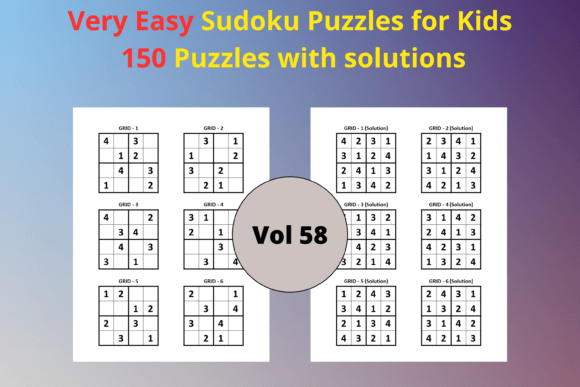
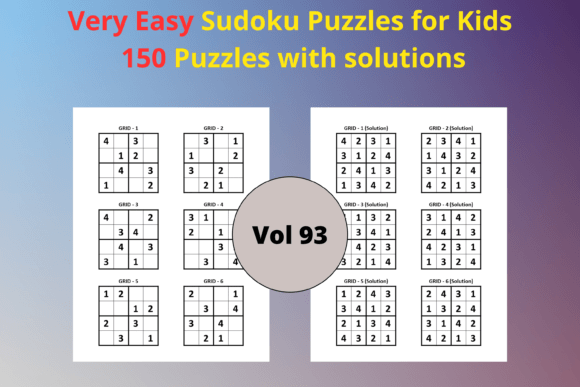
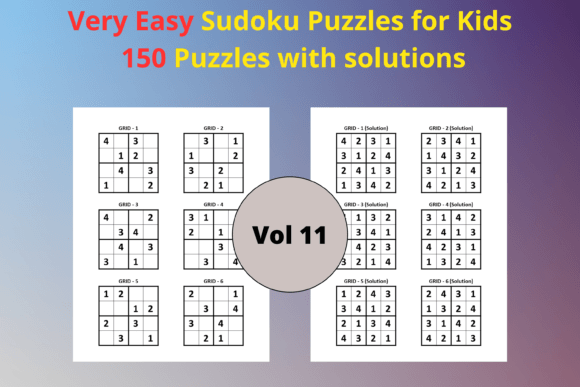
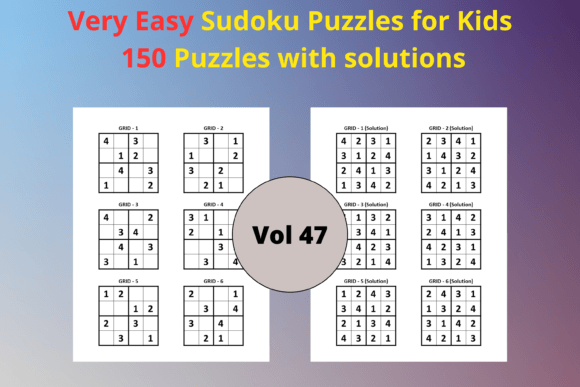
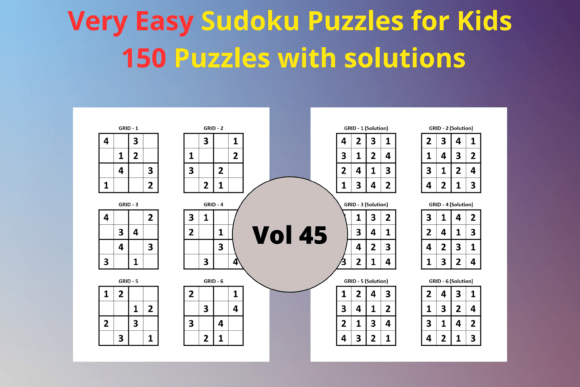
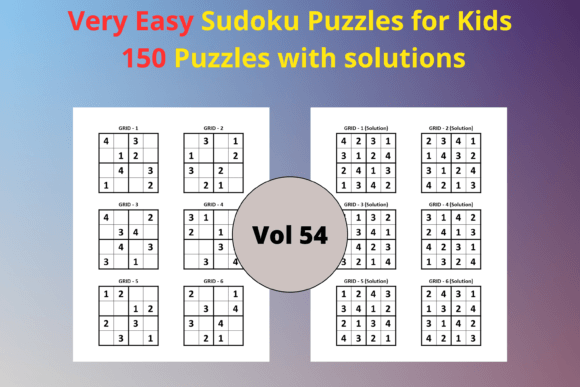
In the competitive landscape of digital publishing and educational product creation, finding a reliable, high-quality resource that serves multiple strategic purposes is a significant advantage. Very Easy Sudoku for Kids 54 represents such an asset. It is not merely a collection of puzzles; it's a complete, professionally formatted KDP interior package containing 150 distinct 4x4 Sudoku puzzles paired with their solutions. Designed for the youngest learners, its "Very Easy" level ensures accessibility. The strategic utility of this pack, however, extends far beyond the classroom, offering a practical tool for entrepreneurs, marketers, bloggers, and educators looking to enhance their offerings, streamline production, and deliver consistent value.
The Core Strategic Value of a Ready-to-Use Puzzle Pack
At its heart, Very Easy Sudoku for Kids 54 solves a fundamental operational challenge: the scarcity of time and the need for consistent quality. For a solo entrepreneur running a KDP business, a teacher preparing supplemental materials, or a blogger creating downloadable resources, developing 150 unique, logically sound puzzles with verified solutions is a prohibitively time-intensive task. This package eliminates that barrier. The immediate availability of both a print-ready PDF and an editable PPTX file provides a critical strategic choice. You can upload and publish instantly, leveraging the PDF for rapid market entry, or you can adapt, customize, and brand the PPTX file to align perfectly with your specific product line or educational curriculum.
The decision between using the PDF or the PPTX version hinges on your strategic goals. If speed and testing market response are paramount, the PDF facilitates a near-instantaneous product launch. For long-term brand building and product differentiation, the editable file is invaluable. You can modify layouts, insert your logo, change fonts, or even extract individual puzzles for use in newsletters, apps, or other media. This flexibility transforms a single purchase into a reusable content engine.
Positioning and Audience Expansion Through Curated Content
Utilizing Very Easy Sudoku for Kids 54 thoughtfully allows for precise positioning. The "Very Easy" and "4x4" specifications are not just descriptions; they are strategic filters that define your target audience with clarity. By offering this content, you communicate directly to parents of preschoolers and early elementary children, educators in kindergarten and first grade, and caregivers seeking constructive, screen-free activities. This clear positioning aids in all subsequent marketing communication, making your messaging more effective and your customer acquisition more efficient.
Furthermore, this pack enables audience expansion for creators who might not typically serve this demographic. A blogger focused on parenting tips can add a practical resource to their post, increasing engagement and perceived value. A freelance graphic designer can use the puzzles as a base for a more elaborately designed activity book, showcasing their skills while delivering a finished product. The pack acts as a versatile substrate upon which various business models and creative endeavors can be built.
Strategic Applications in Education and Cognitive Development
For educators and learning-focused professionals, the strategic use of this puzzle pack is rooted in pedagogy and cognitive planning. Very easy 4x4 Sudoku introduces foundational skills: pattern recognition, logical deduction, and basic number or symbol familiarity. Introducing these puzzles intentionally—perhaps as a daily warm-up activity, a station in a learning center, or a take-home packet—supports long-term developmental goals. The included 150 solutions are a crucial component for the educator's own operational efficiency, allowing for quick verification and reducing preparation time.
A strategic observation here is the importance of graduated difficulty. While this pack is singularly "Very Easy," its existence allows you to plan a learning progression. You can position it as the first step in a series, later introducing more complex puzzles from other sources. This planned progression enhances the customer or student experience, fostering a sense of achievement and encouraging continued engagement with your products or classroom activities.
Mitigating Risk: The Importance of Clear Goals and Context
Like any tool, Very Easy Sudoku for Kids 54 carries minimal risk if used without clear intention. The primary risk is misalignment. Publishing these puzzles without considering your overall brand or educational philosophy can lead to a disjointed product lineup. For instance, if your primary KDP store sells advanced adult puzzle books, suddenly releasing a children's book without contextual marketing might confuse your audience. Similarly, an educator using these puzzles randomly, without integrating them into a broader lesson plan about logic or math, might fail to maximize their educational value.
To use this resource intentionally, start with a planning question: "What specific outcome do I want this content to achieve?" Is it to increase my KDP catalog breadth? To provide a holiday activity packet for my students? To generate a lead magnet for my parenting blog? The answer dictates how you deploy the pack—whether as a standalone product, a bundled item, or a free promotional download. This goal-oriented approach ensures every action adds strategic value.
Operational Efficiency and Scalability in Content Production
The pack's structure offers a masterclass in operational efficiency for content creators. The 8.5 x 11 inch size is the standard for KDP interiors and many printable products, eliminating formatting guesswork. Having 150 puzzles means you can create a single large volume, or segment them into multiple smaller books (e.g., 5 books of 30 puzzles each), allowing for scalable product line planning. This scalability is a powerful strategic lever. You can test price points and formats with minimal additional effort, using the same core asset.
For the professional or hobbyist looking to establish a reliable passive income stream, such efficiency is key. The time saved in content creation can be redirected to marketing, customer research, or quality improvement in other areas. This reflects a fundamental principle of good decision-making: investing resources where they yield the highest return. By outsourcing the puzzle creation to this pre-made, quality-assured pack, you free your most valuable resource—your time—for higher-level strategic work.
A Model for Intentional Resource Integration
Ultimately, Very Easy Sudoku for Kids 54 serves as a model for how to integrate external resources into your workflow strategically. The evaluation process is simple but critical. Assess the resource's quality (150 puzzles with solutions), its flexibility (PDF & PPTX), its alignment with your audience (very easy, for kids), and its impact on your operational overhead (ready to upload). If all criteria are met, adoption is a sound strategic move. It represents a deliberate choice to enhance your capabilities rather than a random addition to your inventory.
In practice, this might look like a small business owner using the PPTX files to create a branded "Summer Fun Pad" for local fairs. An educator might compile the PDF into a term-long logic skills workbook. A marketer for a children's app might use individual puzzles as promotional social media content. Each scenario shares a common thread: the resource was selected and applied with a specific goal and a clear understanding of its role in achieving a better result.
In a landscape where content quality and production speed are often at odds, Very Easy Sudoku for Kids 54 offers a pragmatic solution. It empowers creators and educators to make a decisive move—to add a complete, reputable, and adaptable product to their arsenal without the upfront investment of creation. By approaching it with the strategic mindset outlined here, you transform a simple puzzle pack into a tool for achieving clearer positioning, more efficient operations, and ultimately, more satisfied end-users—whether they are customers on Amazon or children in a classroom.