Very Easy Sudoku Puzzles for Young Minds
Imagine a design resource that not only looks crisp and professional on the page but serves a fundamental educational purpose, engaging young minds with clarity and simplicity.
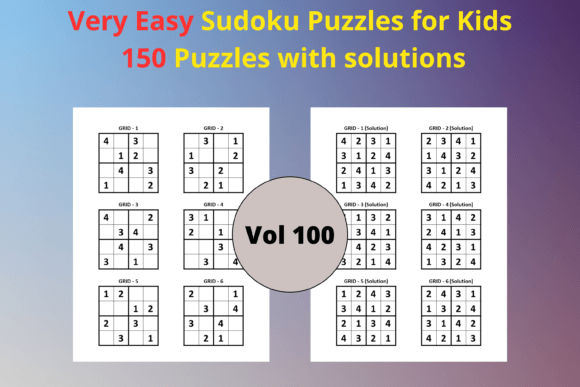
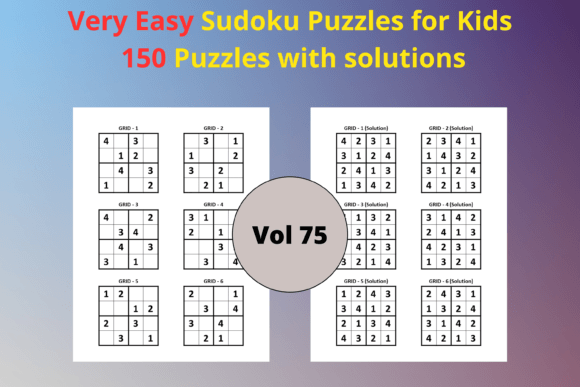
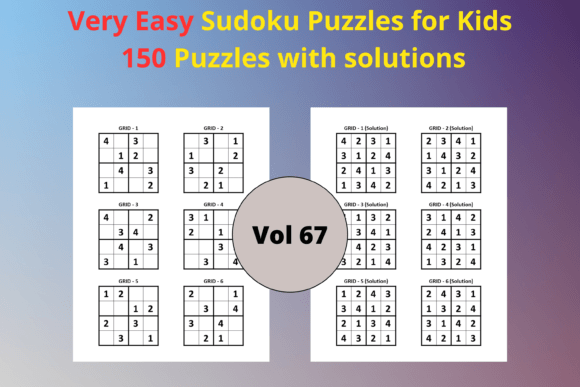
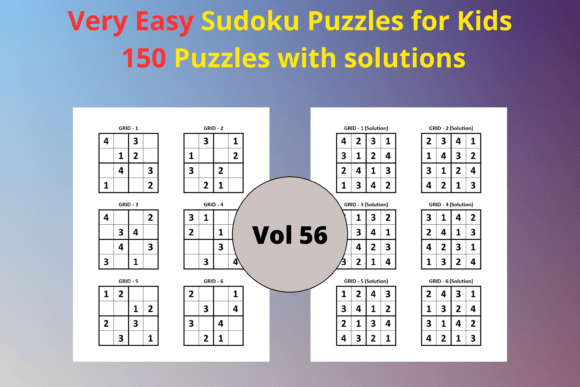
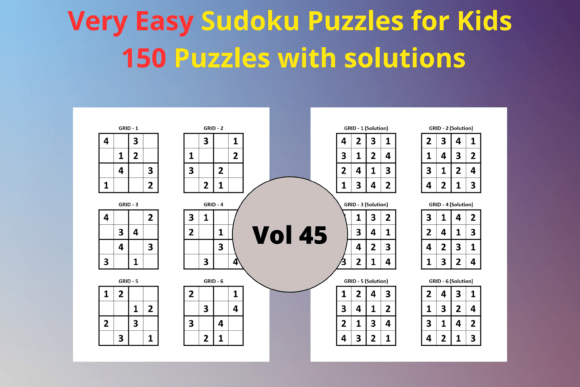
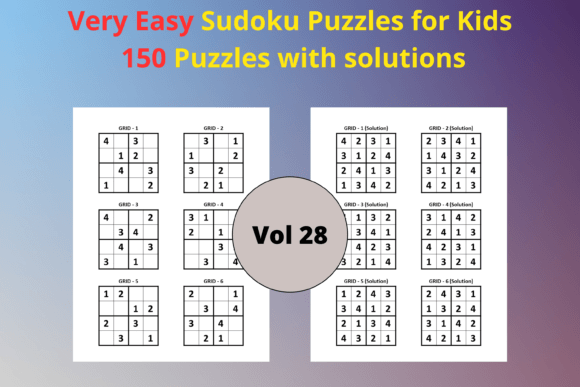
In the world of graphic design, every project demands a balance between form and function, and that principle applies perfectly to the Very Easy Sudoku for Kids 28 collection. This isn't just a set of puzzles; it's a meticulously crafted digital product designed for usability and visual appeal. The package offers 150 different 4x4 Sudoku puzzles with matching solutions, presented as ready-to-use KDP interiors. From a design perspective, the clear, spacious layout and consistent formatting are key. They ensure the puzzles are not only very easy to solve for children but also visually uncluttered, promoting focus and a positive user experience.
Design Foundations for Educational Content
Creating effective materials for children requires a keen understanding of visual hierarchy and readability. The structure of this puzzle pack—with its clean 8.5 x 11-inch page size—is built on these core graphic design principles. The ample spacing around each 4x4 grid, the choice of a legible typography for numbers, and the logical separation between puzzles and solutions all contribute to a professional presentation. These elements reduce cognitive load for the child, making the activity inviting rather than intimidating. For designers and creators, this serves as a prime example of how thoughtful layout directly supports content goals.
Versatility in Format and Application
The inclusion of both a PDF ready for upload and an editable PPTX file unlocks tremendous creative potential. This dual-format approach speaks directly to practical workflow needs in digital content creation.
- Branding & Customization: The editable PPTX allows for seamless integration with existing brand identities. You can easily incorporate specific color palettes, logos, or illustrative styles to align the puzzles with a broader educational brand or series.
- Marketing & Social Media Graphics: Individual puzzles or solution pages can be repurposed as engaging visual content for social media, blogs, or email newsletters, promoting cognitive activities in a visually appealing way.
- Digital & Print Products: The ready PDF ensures flawless quality for print-on-demand platforms like KDP, while the editable file is perfect for creating custom worksheets, app assets, or included materials in larger educational bundles.
Enhancing Projects with Clean Visual Design
The "Very Easy" classification is more than a difficulty label; it's a design directive. The puzzles utilize a simple 4x4 grid, a decision that informs the entire visual composition. This simplicity allows designers to focus on ancillary creative elements without the layout fighting for attention. Imagine applying these puzzles within larger projects:
For editorial design in children's magazines or workbooks, the consistent puzzle format provides a rhythmic visual anchor throughout the pages. In packaging design for educational toys or games, excerpts from the puzzles can be used on box covers to instantly communicate the product's content and age appropriateness. The scalable nature of the grids makes them adaptable for web design and UI design, potentially as interactive elements in online learning modules.
Key Considerations for Implementation
When integrating such a resource into your creative projects, evaluate it through a designer's lens. Consider consistency—does the puzzle's visual style match your brand's other assets? Assess scalability—will the grids remain clear if reduced for a thumbnail or enlarged for a poster? Prioritize the user experience—is the path from puzzle to solution intuitively designed? The provided solutions booklet isn't just an answer key; it's a component of the overall information architecture, requiring the same design care as the primary content.
Ultimately, the value of a well-designed resource like this puzzle collection extends beyond its immediate function. It demonstrates how foundational design choices—in typography, spacing, and format—create a product that is both aesthetically pleasing and supremely usable. For anyone involved in graphic design, branding, or creating content for young audiences, it underscores that the most effective creative assets are those where every visual detail is purposefully chosen to enhance communication and engagement, leaving a lasting, positive impression.